

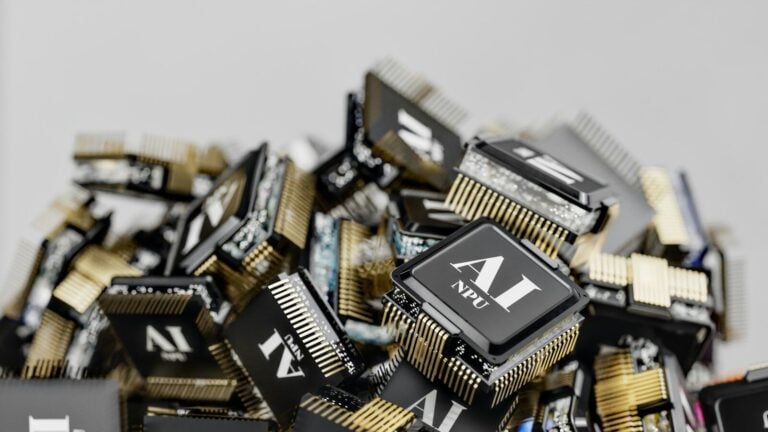
The artificial intelligence boom is changing far more than software. Behind every generative AI platform, recommendation engine, and automated workflow sits a rapidly expanding physical infrastructure of graphics processing units, servers, storage systems, networking equipment, and cooling technology. As organisations race to deploy faster AI hardware, equipment replacement cycles are accelerating—and creating a new challenge for sustainability, security, and asset management teams.
Retired AI infrastructure should not be treated as ordinary rubbish. Servers and related electronics may contain reusable components, sensitive data, and valuable materials such as copper, aluminium, gold, silver, and palladium. They may also contain substances that require controlled handling. A structured approach to electronic waste recycling can therefore reduce environmental risk while helping organisations recover value from technology they no longer need.
Why the AI Boom Is Creating a New Waste Stream
AI workloads demand exceptional computing power. To remain competitive, data centres and technology-driven businesses are replacing conventional processors with specialised accelerators, adding high-capacity storage, and installing faster network hardware. Older devices may still function, but they can become commercially obsolete when they no longer deliver the required performance per watt.
This creates a complicated waste stream that includes much more than servers. AI upgrades can displace power distribution units, cooling controls, cables, switches, backup systems, hard drives, monitors, and employee devices. Meanwhile, damaged circuit boards and batteries cannot simply be placed in general waste because inappropriate handling can increase fire, pollution, and compliance risks.
The scale of the wider problem is significant. Global electronic waste reached approximately 62 million tonnes in 2022, according to the United Nations’ Global E-waste Monitor 2024, while less than a quarter was documented as formally collected and recycled. Continued investment in computing infrastructure makes responsible asset retirement increasingly important.
AI Hardware Has Value Beyond Its First Deployment
One of the most common mistakes businesses make is viewing decommissioned equipment as a disposal cost. In reality, AI-related hardware can retain value at several levels. Complete systems may be suitable for reuse, working components may be harvested for refurbishment, and non-reusable equipment can be processed to recover industrial materials.
A practical recovery hierarchy generally follows these steps:
- Reuse complete equipment: Functional servers or workstations may serve less demanding workloads, training environments, or secondary markets.
- Refurbish and redeploy: Memory, storage devices, power supplies, fans, and processors may have a useful second life after testing.
- Harvest components: Parts can support repairs and reduce the demand for newly manufactured replacements.
- Recover materials: Metals and other resources can be separated and returned to manufacturing supply chains.
- Dispose of residuals safely: Materials that cannot be recovered should be managed through controlled, environmentally responsible channels.
This hierarchy supports circular-economy goals because it prioritises the highest-value outcome available. It can also improve the financial case for responsible technology upgrades.
Data Security Must Come Before Material Recovery
Every retired server, storage array, laptop, or mobile device should be considered a potential information-security exposure. Deleting files or reformatting a drive may not make its data irretrievable. Hardware used for AI can hold customer records, proprietary models, training data, credentials, system logs, and other commercially sensitive information.
Before equipment leaves a controlled site, organisations should document its serial number, owner, location, data classification, and approved treatment method. Storage media should then undergo verified sanitisation or physical destruction according to the organisation’s security requirements. A certificate or auditable record should confirm what happened to each asset.
This is why a professional recycling programme should connect IT asset management with environmental compliance. South Group Recycling, for example, combines responsible processing with services such as data destruction and asset management. That integrated approach gives businesses clearer oversight than an informal collection arrangement and helps prevent devices from disappearing into an undocumented downstream market.
Five Steps for Managing an AI Hardware Refresh
1. Create an Accurate Asset Inventory
Start before the first rack is dismantled. Record device types, quantities, serial numbers, storage media, working condition, and estimated residual value. Assign responsibility for approving reuse, resale, recycling, or destruction. An inventory prevents valuable components from being mixed with low-value scrap and establishes a defensible chain of custody.
2. Separate Equipment by Risk and Recovery Potential
Do not place all retired technology into one container. Segregate reusable systems, data-bearing devices, batteries, cables, circuit boards, and damaged equipment. Clear categories make downstream processing safer and increase the likelihood that high-value materials and components will be recovered.
3. Evaluate Reuse Before Destruction
Not every generation of hardware needs to be shredded. A GPU that is inefficient for a frontier AI workload may still support visualisation, research, education, testing, or less intensive computing. Businesses should compare the environmental and commercial benefits of reuse against security, energy-efficiency, warranty, and reliability considerations.
4. Select a Qualified Recycling Partner
A credible provider should explain how assets are collected, tracked, sanitised, processed, and reported. Ask about environmental and quality-management systems, applicable legal compliance, downstream partners, data-destruction options, and how commodity values affect pricing. South Group Recycling brings more than a decade of experience, ISO 9001 and ISO 14001 certifications, and operations serving clients from major South African hubs across a wider African network.
5. Measure and Report the Results
Useful reports should show more than the number of items collected. Track the weight of equipment reused or recycled, data-bearing assets destroyed, materials recovered, residual waste, and any financial return. These results can contribute to internal risk reporting, sustainability disclosures, and future procurement decisions.
Better Recycling Starts with Better Procurement
The most effective waste strategy begins when hardware is purchased, not when it becomes obsolete. Procurement teams can favour modular systems with replaceable components, request repair and take-back information from suppliers, and assess total lifecycle cost rather than purchase price alone. IT teams can also extend useful life through preventive maintenance, workload optimisation, and redeployment across departments.
AI itself can improve recycling operations. Computer-vision systems can identify devices and materials, while analytics can support valuation, collection planning, and predictive maintenance. However, automation does not remove the need for responsible governance. Human oversight remains essential when handling hazardous components, assessing reusable equipment, and verifying secure data destruction.
Turning an Upgrade Cycle into a Circular Opportunity
AI hardware upgrades do not have to produce an unmanaged stream of obsolete equipment. With early planning, businesses can protect confidential information, demonstrate regulatory care, recover useful materials, and potentially create financial returns from retired assets. The key is to treat decommissioning as a formal business process rather than an afterthought.
Organisations preparing for an infrastructure refresh should map their assets, define data-destruction requirements, and request a transparent recovery plan before equipment is moved. Working with South Group Recycling for compliant ewaste recycling offers a practical way to connect secure asset retirement with resource recovery. Taking that step now can make the next AI upgrade cleaner, more accountable, and more valuable for both the business and the environment.

0 Comments