

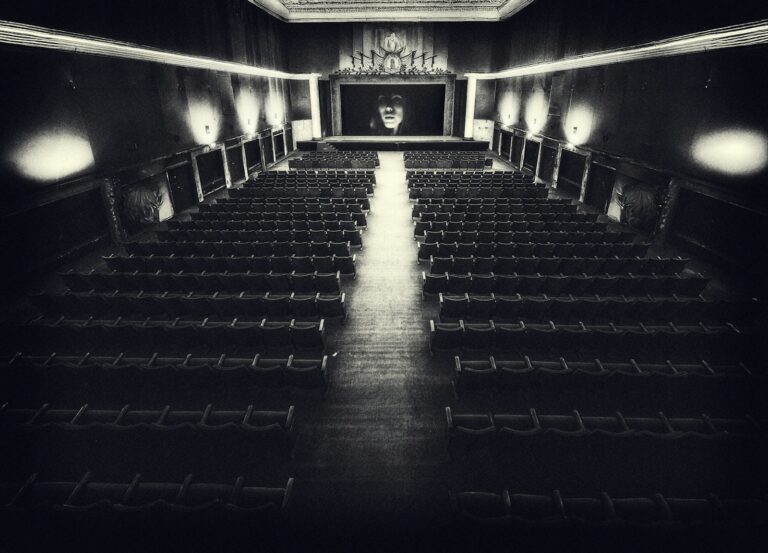
A Place Called Silence is not your typical cinematic experience—it’s a poetic, slow-burning narrative that invites viewers into a world where silence speaks louder than words. This film is a reflection on trauma, healing, and the profound spaces between noise and understanding. Rather than racing through action or dialogue, A Place Called Silence lingers in moments, allowing its atmosphere to convey the emotional weight of its characters.
The Concept Behind A Place Called Silence
At its core, A Place Called Silence is an emotional odyssey. The film revolves around a central protagonist who, after a deeply traumatic loss, retreats into isolation. This isolation is not just physical, but spiritual and psychological. As the story unfolds, silence becomes a character in itself—a looming, sometimes comforting, often unsettling presence that mirrors the protagonist’s internal world.
The filmmakers craft this concept with intention, using minimalist dialogue and haunting visuals to create a meditative experience. Every frame, every lingering shot, and every ambient sound is purposefully designed to pull the viewer into a contemplative state.
A Place Called Silence: Themes of Grief and Redemption
One of the most profound elements of A Place Called Silence is its exploration of grief. Unlike many films that address loss through plot twists or dramatic breakdowns, this movie opts for a subtler, more intimate approach. We watch the protagonist struggle not with external antagonists, but with memories, guilt, and the echo of what once was.
Through this, A Place Called Silence becomes a story of redemption. Silence isn’t merely an absence of sound—it’s a sanctuary for reflection. As the film progresses, the protagonist begins to find meaning in stillness, and in doing so, discovers a pathway toward healing.

A Cinematic Language of Stillness
Few films dare to embrace silence as boldly as A Place Called Silence does. The film’s direction leans heavily on long takes, wide-angle shots of natural landscapes, and carefully composed scenes that resemble paintings. These visual elements work together to form a cinematic language that replaces exposition with emotion.
The use of lighting is equally significant. Much of the movie plays with shadow, soft sunlight, and the natural glow of dusk or dawn. These choices further immerse the audience into the protagonist’s inner world. Silence becomes visual. The absence of sound finds its voice in a rustling tree, the crash of distant waves, or the creak of an old house.
Performances that Resonate
While the film thrives on minimalism, the performances are deeply emotional and nuanced. The lead actor—whose name has become almost synonymous with the movie—delivers a performance of staggering restraint. Rather than leaning into overt displays of sorrow, the actor’s subtle expressions, body language, and occasional lines of dialogue allow the audience to project their own interpretations onto the character.
Supporting roles, though limited, are equally compelling. Each character is introduced sparingly but with precision, and their interactions with the protagonist are laced with subtext. These quiet exchanges carry the emotional heft of entire monologues.
Sound Design in A Place Called Silence
Ironically, for a movie titled A Place Called Silence, sound plays a crucial role. The film’s sound design is meticulous. Ambient sounds—wind brushing through leaves, water dripping in a sink, the distant call of a bird—become prominent in the absence of a musical score. These environmental cues amplify the sensation of isolation and introspection.
When music does appear, it’s sparse and haunting. A single piano note or a soft cello melody underscores key emotional moments, heightening their impact without overwhelming the quiet tension that defines the film.
A Place Called Silence as a Meditation on Solitude
There is a stark difference between loneliness and solitude, and A Place Called Silence draws that line clearly. At first, the protagonist is engulfed in loneliness—cut off from others, struggling with pain. But as the story unfolds, that loneliness begins to shift into solitude, a chosen state of self-confrontation and eventual acceptance.
The film becomes a meditation on what it means to be alone. In a world that constantly demands noise, connection, and distraction, A Place Called Silence suggests that stepping away—into silence—might be the only way to truly reconnect with ourselves.
Visual Symbolism and Metaphors
A Place Called Silence is rich with symbolism. A recurring motif is a dilapidated cabin in the woods, serving as both a literal and metaphorical space. It represents memory, trauma, and the mind’s architecture. As the protagonist repairs parts of the cabin, the audience senses an emotional reconstruction taking place.
Other metaphors, such as recurring images of water (reflecting the unconscious) and fog (representing confusion or memory loss), are used with great effect. This visual storytelling allows viewers to interpret the film’s meaning in a deeply personal way.
Critical Reception and Audience Response
While not a mainstream blockbuster, A Place Called Silence has gained acclaim in indie film circles and among critics who value atmosphere and emotional depth over plot-heavy storytelling. Reviewers have praised its brave pacing, artistic visuals, and emotional sincerity.
Some viewers find the film challenging—its slow tempo and minimal dialogue can feel alien to those used to more traditional narratives. However, those willing to surrender to its rhythm often describe the experience as transformative. For many, the movie serves as a mirror, reflecting unspoken thoughts and buried feelings.
The Director’s Vision
The director behind A Place Called Silence is known for crafting intimate, introspective cinema. With this film, they’ve taken a step further into the experimental, eschewing commercial appeal for artistic truth. Interviews with the director reveal an obsession with the idea of silence—not just auditory, but spiritual silence, the kind that arrives when the mind finally stops running.
Their vision is to create a piece of art that doesn’t just tell a story but becomes an experience. For audiences, A Place Called Silence is less a movie and more a guided walk through grief, healing, and inner peace.
A Place Called Silence and Its Legacy
Even though it may not reach massive audiences, A Place Called Silence will likely leave a lasting impression on those who connect with its message. It is the kind of film that may not be fully understood upon first viewing—but lingers in the mind, revealing new layers with time.
This longevity, this ability to echo in the hearts of its viewers, is what separates the film from many others in its genre. It encourages conversation, introspection, and, ironically, a bit of silence.
A Place Called Silence: Not Just a Film, But a Feeling
Ultimately, A Place Called Silence transcends its format. It isn’t just a movie—it’s an emotional space. Watching it requires a kind of surrender. It asks its audience to sit still, to listen not to dialogue or action, but to the whispers of the human soul.
In doing so, the film opens a door to something rare in cinema: stillness. And in that stillness, viewers may find themselves confronting emotions they didn’t know were there, or perhaps, rediscovering parts of themselves that had long gone quiet.
Final Thoughts on A Place Called Silence
In a landscape filled with loud spectacles and fast-paced stories, A Place Called Silence offers a bold alternative. It invites viewers into a world where time slows down, emotions are given room to breathe, and the silence between words is just as important as the words themselves.
This film isn’t for everyone—but for those who connect with its message, it’s unforgettable. Whether watched alone on a quiet night or shared in a hushed room with others, A Place Called Silence resonates long after the screen fades to black.

0 Comments