

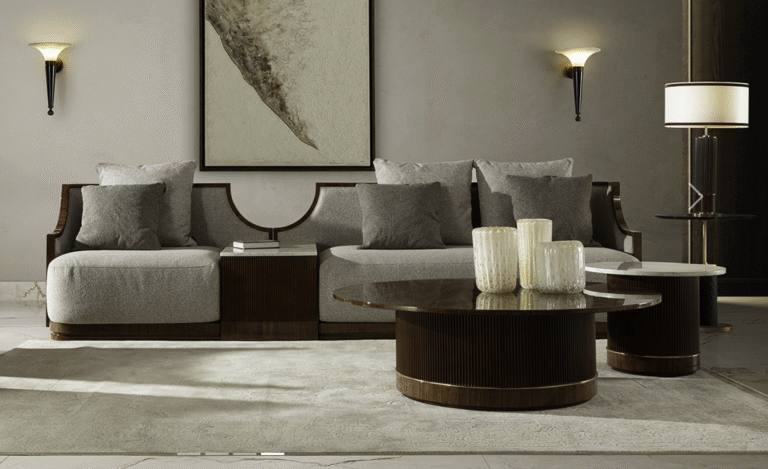
In the ever-evolving world of interior design, classic luxury furniture remains a timeless statement — evoking grandeur, sophistication, and enduring elegance. Whether you’re drawn to mahogany woodwork, intricate carvings, sumptuous upholstery, or the gleam of polished brass, these pieces can instantly elevate a home’s ambiance. In this article, we explore the most effective decorating styles to enhance and harmonize with classic luxury furniture — helping you turn rooms into refined sanctuaries of comfort and style.
Why Classic Luxury Furniture Keeps Its Appeal
Classic luxury furniture — from ornate armoires to carved dining tables — carries a sense of history and craftsmanship. These pieces are often crafted using rich wood, fine fabrics, and detailed finishes. They don’t just serve a practical purpose; they convey heritage and sophistication. That’s why decorating around them demands thoughtful styling: the décor must complement their character rather than clash with it. With the right accompanying elements, classic luxury furniture can become the centerpiece of an interior that feels both timeless and curated.
Many design aficionados turn to dedicated collections to find furniture that blends classic craftsmanship with contemporary sensibilities. For example, browsing offerings from Mariner Luxury can provide inspiration — showcasing how traditional furniture can integrate seamlessly within modern luxury interiors.
Below are several decorating styles that work particularly well with classic luxury furniture, depending on the mood and atmosphere you want to achieve.
Decorating Styles That Complement Classic Luxury
Traditional European Elegance
This style channels the grandeur of European estates — think châteaus, manor houses, and palatial city apartments. The color palette leans toward warm neutrals and jewel tones (burgundy, deep navy, forest green, or rich gold). Fabrics like velvet, brocade, and damask underscore the opulent feel. Draperies might be heavy and floor-length; rugs intricate Persian or Aubusson designs; lighting ornate chandeliers or wall sconces with warm light.
In a dining room furnished with a carved mahogany table and upholstered chairs, traditional European elegance feels appropriate. Add a dark wood buffet, display fine china behind glass cabinets, and hang classical framed art. The result is formal, majestic — a room worthy of grand dinners and memorable gatherings.
Modern Classic (Contemporary Classic)
For those who love classic furniture but dislike overly heavy or dark interiors, Modern Classic bridges tradition and minimalism. This style retains the essence of classic furniture — quality craftsmanship, refined details — but tones down the setting with lighter walls, subtle color palettes, and restrained accessories.
Imagine a cream-colored living room with a carved wood sofa upholstered in soft linen, paired with a glass-top coffee table and a silver mirror with minimal ornamentation above a fireplace. The contrast between the vintage furniture and the modern, airy surroundings draws attention to the furniture’s artistry while keeping the room feeling fresh and uncluttered. This aesthetic is ideal for contemporary homes or urban apartments where space and light might be limited.
Transitional Style
Transitional style blends traditional classic elements with modern simplicity — striking a balance between old and new. It’s particularly useful when you want a space that feels approachable and elegant without being overly formal.
In a transitional living space, for instance, you might combine a classic wooden armchair with soft neutral upholstery alongside clean-lined side tables and simple decorative pieces. A plush rug in a muted tone underpins the space, while walls might sport a soft taupe or greige. Lighting is subtle — perhaps a pair of modern lamps flanking a console — but fabrics, textures, and decorative accents echo classical motifs. Transitional style lets your luxurious furniture shine without overwhelming the room.
Minimalist Classic (Understated Luxe)
For interiors where restraint and subtlety are key — such as urban lofts or modern minimalist apartments — a minimalist classic approach can work surprisingly well. The idea is to treat your classic luxury furniture as the focal point, and keep everything else pared back.
Walls should be neutral or monochromatic; accessories limited and purposeful. One or two standout pieces (a grand dresser, an ornate mirror, a carved headboard) become the “stars” of the room. The result is quiet luxury — a blend of old-world craftsmanship and modern serenity. This style is especially appealing to people who appreciate high-quality furniture but prefer a calm, decluttered atmosphere.
Art-Deco Revival / Glamorous Eclectic
For a more dramatic and expressive vibe, combining classic luxury furniture with Art-Deco or glam accessories creates a sense of theatrical luxury. Think mirrored surfaces, bold geometric patterns, metallic finishes, and statement lighting.
A classic carved wood bed can take on new life when paired with plush velvet bedding, mirrored nightstands, a large geometric rug, and a chandelier with golden accents. Add a few art pieces or sculptures with Art‑Deco inspiration, and you’ve created a decadent, high-impact space. This style suits those who love boldness and want interiors that feel luxurious and expressive rather than restrained.
How to Choose the Right Style for Your Space
Selecting the right decorating style depends on several factors:
- Room size & light. Smaller or darker rooms benefit from lighter palettes and airy designs (Modern Classic or Minimalist Classic), while spacious areas with natural light can embrace more opulent styles (Traditional or Art‑Deco Revival).
- Functionality. Living and dining rooms may lean toward formal or transitional styles, while bedrooms might benefit from minimalist or glam styling depending on personal taste.
- Existing architecture. High ceilings, moldings, or classic flooring can naturally favor traditional styling. On the other hand, contemporary architecture with clean lines may blend better with transitional or modern classic settings.
- Personal aesthetic. Ultimately, comfort and taste matter most. Do you value formality or comfort? Drama or quiet sophistication? Your preferences should guide the choice — even if it means blending elements across different styles.
Practical Tips for Decorating with Classic Luxury Furniture
Here are concrete recommendations to get the best out of your luxurious pieces:
- Balance scale and proportion. Classic luxury furniture often carries weight and presence. Avoid crowding a small room with too many large pieces. Instead, highlight one or two standout items.
- Layer textures and materials. Combine wood with metal, velvet with linen, smooth finishes with carved surfaces — this contrast enriches the space and gives depth.
- Use color intentionally. Rich, muted shades suit traditional or art‑deco styles; soft neutrals and pastels complement modern classic. Metallic accents (gold, brass, silver) can add subtle luxury without overwhelming.
- Mix old and new. Introduce contemporary lighting, modern art, or minimal accessories to offset heavy furniture. This mix keeps the interior from feeling dated.
- Mind the lighting. Warm, soft lighting enhances richness — use chandeliers, table lamps, or wall sconces. Natural light works well with lighter styles.
- Let furniture breathe. Don’t over-accessorize. Allow space around each piece so that furniture can stand out as individual art rather than get lost in clutter.
Common Mistakes to Avoid
Even the finest furniture can look out of place if styling is off. Here are pitfalls to watch for:
- Overcrowding the room. A mistake often made when people try to fill every corner. Classic furniture needs breathing space.
- Clashing styles. Mixing stark modern pieces with ornate classical ones without a unifying design language can result in visual dissonance.
- Ignoring scale and proportion. Oversized furniture in a small room, or tiny pieces in a grand space, can feel awkward.
- Poor lighting. Harsh, cool light can make classical woodwork appear dull or lifeless. Choose warm, ambient lighting.
- Neglecting color harmony. Loud or mismatched colors can overshadow the furniture’s sophistication.
Final Thoughts
Decorating with classic luxury furniture is an art — one that involves balancing tradition and modernity, grandeur and subtlety, ornate craftsmanship and clean design. Whether you gravitate toward regal European elegance, contemporary minimalism, or bold Art‑Deco glam, there’s a decorating style that can make your space feel both luxurious and welcoming.
Begin by assessing your space — its size, lighting, and architecture — then select a decorating style that complements both the furniture and your lifestyle. With mindful layering of textures, intelligent use of color and light, and a respect for proportion and space, you can create interiors where classic luxury furniture doesn’t just sit in a room — it defines the soul of the home.

0 Comments