

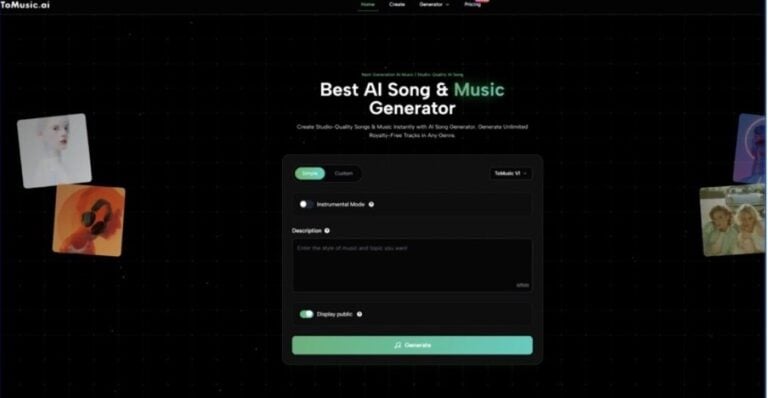
When I first engaged with an AI Music Generator, what stood out was not the audio quality, but the shift in how decisions were made. Instead of adjusting parameters or arranging tracks, I was making choices through language. That shift reveals a deeper transformation: music creation is moving from technical execution to conceptual expression.
For many creators, this is less about replacing existing tools and more about bypassing the barriers that come with them.
Understanding The System As An Interpretation Engine
Rather than functioning like traditional software, the system acts as an interpreter.
Input As Intent Rather Than Instruction
Users provide:
- Descriptions
- Lyrics
- Contextual cues
The system then decides how to translate these into sound.
Internal Decision Layers Shape Output
Behind the scenes, several layers operate:
- Semantic analysis
- Structural planning
- Audio synthesis
The user interacts only with the first layer, while the rest remain abstracted.
Why Lyrics Introduce A Different Type Of Control
Lyrics are not just input—they reshape the system’s priorities.
Temporal Structure Comes From Language
The pacing of lyrics influences:
- Timing
- Section transitions
- Emphasis
This creates a more cohesive composition.
Emotional Direction Becomes More Stable
Using Lyrics to Music AI, I found that emotional consistency improves. The system seems to anchor its decisions around the narrative embedded in the lyrics.
Voice As A Primary Output Element
With lyrics, the vocal track becomes central, which changes how the entire piece is structured.
Minimal Workflow With High Output Complexity
Despite the complexity, the process remains simple.
Step One Input Concept Or Lyrics
Users define:
- Idea
- Mood
- Narrative
No technical setup is required.
Step Two Select Style And Mode
Options determine:
- Level of control
- Type of output
This step shapes the final result.
Step Three Generate And Compare Results
Multiple outputs allow users to:
- Evaluate differences
- Refine prompts
- Select preferred versions
Key Differences In Creative Process Compared To Traditional Methods
The change is not just technological, but procedural.
| Category | Traditional Production | AI-Based Creation |
| Process Flow | Sequential | Iterative |
| Skill Focus | Technical execution | Concept articulation |
| Output Control | High precision | Moderate flexibility |
| Time Investment | Significant | Minimal |
| Entry Barrier | High | Low |
This highlights a shift toward accessibility.
Real World Applications That Highlight Practical Value
The system’s strengths become clearer in specific scenarios.
Fast Turnaround Media Production
For creators working under time constraints:
- Immediate output is critical
- Iteration speed matters
Exploratory Creative Workflows
For those experimenting with ideas:
- Low cost of failure encourages exploration
- Multiple variations expand possibilities
Supplementary Tool For Professionals
Experienced creators can use it to:
- Generate drafts
- Test concepts
- Accelerate early stages
Observed Limitations In Extended Use Cases
While useful, the system has boundaries.
Limited Predictability Across Outputs
Results can vary significantly, making:
- Consistency harder to achieve
- Replication more difficult
Dependence On Abstract Input Quality
The system relies on:
- Clear descriptions
- Well-structured lyrics
This places responsibility on the user.
Lack Of Fine Detail Editing
Users cannot:
- Modify individual elements
- Adjust specific timing
This limits post-processing control.
Why This Represents A Shift In Creative Interfaces
The system reflects a broader trend.
Interfaces Moving From Tools To Interpreters
Instead of:
- Executing commands
Systems now:
- Interpret intent
This changes how users interact with technology.
Language Becoming A Universal Input Method
If language becomes the primary interface:
- Barriers to entry decrease
- Creativity becomes more accessible
How Creators May Integrate This Into Existing Workflows
Rather than replacing traditional tools, integration seems more likely.
Hybrid Approaches Combining Speed And Precision
Creators may:
- Generate ideas quickly
- Refine them manually
This balances efficiency and control.
New Creative Roles Emerging
As workflows change:
- Prompt design becomes important
- Concept development gains value
Why The Core Value Lies In Lowering Creative Friction
The most significant impact is not automation, but friction reduction.
- Faster idea realization
- Reduced technical barriers
- Immediate feedback
This encourages more experimentation and less hesitation.
In this context, the system acts less like a replacement for traditional tools and more like a catalyst for new forms of creative exploration.

0 Comments