

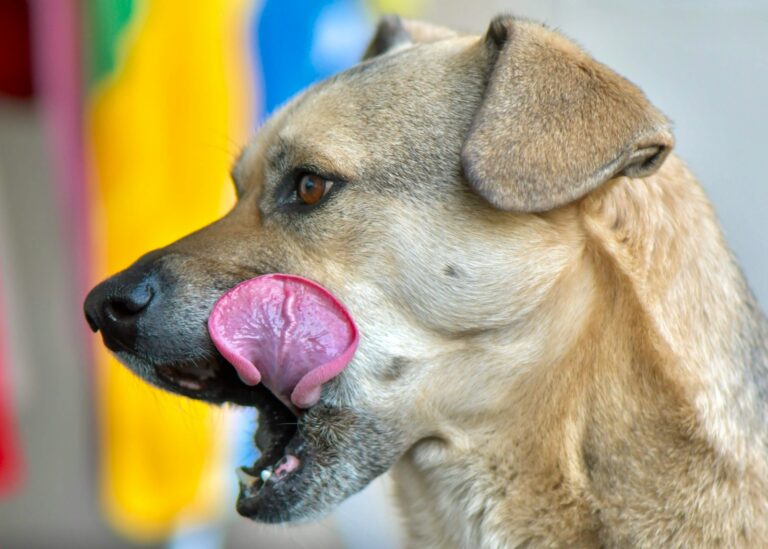
So, one day you get back home excited to get the sweetest, fluffy kisses, but something is just wrong. Your pooch’s breath is stinky, and you wonder if it is normal or the time to buy dental powder dog medicine, or even visit a vet. Unfortunately, bad breath can signal different health conditions. As a caring pet parent, you have to understand why the dog has bad breath and treat the issues appropriately.
Why Mutts Have Stinky Breath
The good news is that oral hygiene in dogs has changed significantly over the past years. Today, we don’t just extract their tooth but take our furry babies to dental checks, cleaning, treatments, and so on. To cut a long story short, preventative mouth care is part of indoor canines’ lives, and stinky breath is now one of the ‘instruments’ vets can use to make the right diagnoses.
Here are the main health conditions that may hide behind a yucky odor:
- Oral problems. This category includes plaque and tartar build-up that, in turn, leads to periodontal disease, gingivitis, tooth decay, oral infections, etc. The worst part is that the condition progresses, affecting major organs, like the heart, kidneys, and liver.
- Something material got stuck in the dog’s mouth. After all, they play with all possible items, from ropes and toys to food and…your socks. So chances are some foreign bodies can get stuck somewhere between the fangs.
- Issues with the stomach and digestion. Is the odor unusually strong, metallic, or sour? Chances are, one of the stomach problems has entered the game (acid reflux, gastritis, food intolerances, allergies, imbalanced gut flora, and so on).
- Kidney or liver problems. Urine and ammonia-like scent can point to problems with the kidneys. If it’s liver disease, look also for symptoms like loss of appetite, rotten breath, yellow eyes, and even vomiting.
- Diabetes. If you fail to treat diabetes, the body starts breaking down fat for energy, which makes ketones. The latter makes your dog’s breath sweet or acetone-like. Plus, mutts might also lose weight, eat more or less than usual, and pee/drink more often.
But the question is – how to know it’s not just yesterday’s snack stuck in teeth but a health problem? First of all, remember that not all stinky odors are concerning. It can be simply the result of garbage, leftovers, fish-based kibble, and chews made from animal parts being part of your pet’s menu. However, all the normal smells tend to fade away quickly and never smell metallic or rotten, not to mention chemical.
At the same time, the things that should warn you include:
- Discomfort that the animal shows when eating.
- The smell stays there for days and gets even worse.
- Symptoms like vomiting, drooling, and lethargy add to the bad breath.
- You can see bleeding gums, tartar, loose teeth, etc.
So, What Do We Do?
The oral care strategy should include the simple yet effective steps that help boost your hound’s mouth health and keep their breath smelling so that you’re ready to kiss them anytime. Here’s what you can do:
- Brush their pearl whites regularly. Daily brushing using vet-approved products is a must. You’ll prevent plaque formation in the most effective way.
- Use pet-friendly dental products. Water additives, powders, and chews are perfect allies when you’re combating bad breath and teeth issues. Add the recommended amount of the chosen product every day, after consulting with a vet.
- Keep diets. Ask your woofer’s doc to recommend the most suitable diet for your good boy. They know many ways to reduce plaque buildup and keep animals happy and healthy.
Before hitting the pet store, keep in mind that all the dental diets, treats, and supplements you make part of your canine’s diet routine should not only be effective but also safe, i.e., veterinary-recommended.

0 Comments