

Key Takeaways
- Collaborative hiring involves multiple team members, leading to well-rounded, better-supported hiring decisions.
- This strategy minimizes bias, enhances candidate experience, and fosters a sense of unity among both new and existing employees.
- Clear communication and the right tools are essential for making collaborative hiring processes efficient and successful.
In today’s recruitment landscape, companies are finding that traditional hiring methods often miss the mark when it comes to building truly effective teams. Collaborative hiring, an approach in which multiple staff members are involved in the recruitment process, is now regarded as a strategic move for organizations seeking a competitive edge. By engaging team members in candidate evaluations, collaborative hiring leads to stronger decisions and higher overall employee satisfaction. Greenhouse ATS reviews often highlight the importance of this method in enhancing team performance and hiring outcomes.
Collaboration in recruitment is more than just a passing trend. It is a foundational shift that ensures the selected candidate will fit the company culture, align with values, and bring diverse perspectives to the team. This approach not only delivers a better experience for candidates but also ensures a more robust and well-aligned workforce for employers.
Understanding Collaborative Hiring
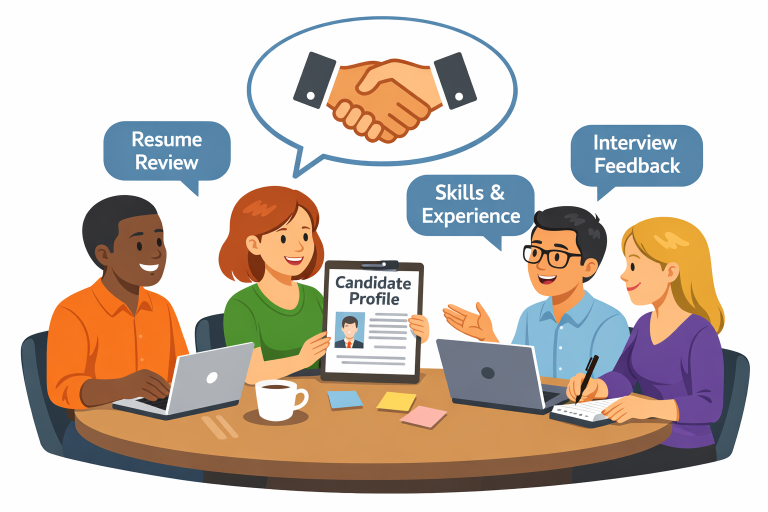
Collaborative hiring includes a blend of HR professionals, hiring managers, and potential peers in every stage of the hiring process. This multi-stakeholder approach is distinct from the more conventional method, where a single hiring manager handles screening, interviews, and selection on their own. Instead, different team members contribute their specific perspectives, helping to reduce blind spots in the candidate evaluation process.
With collaborative hiring, there is a strong emphasis on teamwork and shared responsibility. Everyone involved in the interview process is encouraged to voice opinions, share insights into a candidate’s fit, and actively participate in discussions about who would be the best addition to the team. Candidates, in turn, appreciate the authentic insights into organizational dynamics they gain from meeting a diverse interview panel.
Benefits of Collaborative Hiring
Collaborative hiring introduces several distinct advantages for businesses seeking to improve their recruitment outcomes:
- Enhanced Decision-Making: When input is collected from employees across levels and departments, hiring decisions are less prone to individual error. This collective process yields a more complete picture of a candidate’s suitability for the team and project needs, thereby increasing overall team performance.
- Reduced Bias: Involving team members from diverse backgrounds helps counter unconscious biases, supporting efforts toward a more inclusive and diverse workplace.
- Improved Candidate Experience: Prospective employees appreciate the opportunity to connect with potential colleagues, which helps them gauge whether the organization is the right fit and eases onboarding when they join.
- Stronger Team Cohesion: Existing employees develop a sense of ownership over the hiring process and a stronger connection to new colleagues, resulting in stronger initial bonds and overall team integration.
Implementing Collaborative Hiring
Introducing collaborative hiring calls requires some thoughtful planning and structured execution. These steps will help ensure the process is both efficient and effective:
- Define Roles and Responsibilities: Every participant should know their part in the process, whether it’s initial screening, technical evaluation, culture fit assessment, or final decision-making.
- Establish Clear Communication Channels: Use communication platforms or shared documents where notes, evaluations, and scheduling updates can be easily accessed by all participants.
- Develop Standardized Evaluation Criteria: Setting standard benchmarks prevents evaluations from becoming subjective, promoting fairer candidate assessments across the board.
- Leverage Technology: Applicant tracking systems, Talent rediscovery tools, and collaboration platforms make it easier to manage feedback, identify suitable candidates from existing talent pools, track interview progress, and avoid duplication of effort.
Challenges and Solutions
Despite its many benefits, collaborative hiring has challenges. Teams may experience delays, confusion about roles, or even conflicts during decision-making. To overcome these obstacles, organizations should:
- Set Clear Timelines: Map out deadlines for each stage of the recruitment process, keeping all team members aligned and ensuring candidates are not left waiting unnecessarily.
- Provide Training: Offer coaching or resources so that every team member involved understands interviewing best practices, evaluating skills, and avoiding bias.
- Utilize Efficient Tools: Incorporate software for feedback collection and communication to keep the process organized and time-efficient.
Real-Life Example
One illustrative case is that of a mid-sized technology company. By implementing cross-functional interview panels for every open role, they found that time-to-hire for new employees dropped by 25 percent. More notably, their employee retention rate climbed by 15 percent after candidates hired through this method reported higher job satisfaction and better team fit in their first year. These results reflect the power of collaborative decision-making in unlocking both short- and long-term talent value.
Conclusion
Collaborative hiring enables organizations to make more informed, balanced, and strategic recruitment decisions by involving multiple perspectives throughout the process. By engaging team members in interviews and evaluations, companies can reduce individual bias and ensure candidates align with both role requirements and workplace culture. This inclusive approach also fosters stronger team cohesion, as employees feel invested in new hires. In today’s competitive talent landscape, collaborative hiring is a practical strategy for building resilient, high-performing teams and supporting long-term organizational success.

0 Comments