

Key Takeaways
- Structured, clean, and insightful activity logs are essential for effective security, monitoring, and support.
- Log management demands vigilance to protect sensitive data and ensure continuous, relevant oversight.
- Embracing AI and automation can dramatically increase the efficiency of log analysis and response.
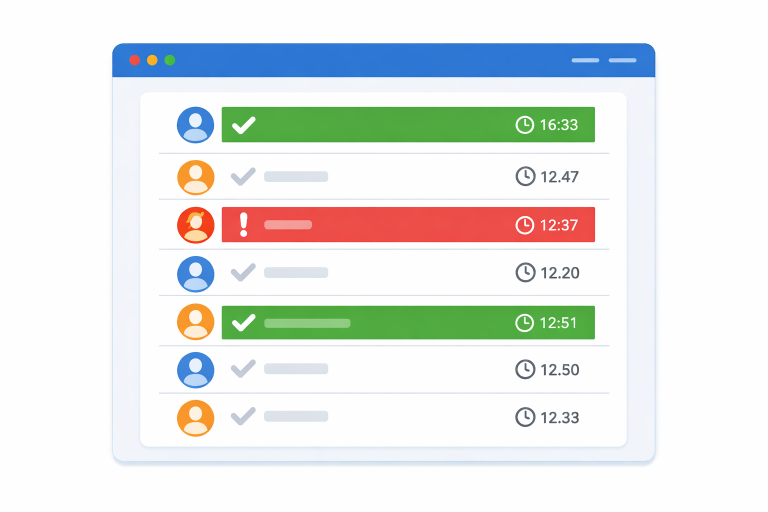
As digital systems continue to serve as the backbone of essential business operations, the role of activity logs in modern web applications has never been more pivotal. Activity logs track every crucial event, making them invaluable for resolving technical issues, maintaining transparency, and ensuring that sensitive actions are adequately monitored. Creating a structured, efficient logging system is not just a technical necessity but also a strategic imperative that supports security and organizational integrity. For inspiration and practical examples, browse modern activity log UI patterns often used across top digital platforms.
Strategically managed logs form the foundation for system reliability, compliance, and user trust. Comprehensive activity logging enables administrators to spot anomalies early, helps meet regulatory demands, and empowers support teams to deliver timely assistance by tracing user and system actions throughout the application’s lifecycle.
Design Simple and Structured Logs
Clarity and consistency in log design are paramount. Logs should include timestamps, unique event identifiers, user information where appropriate, and concise descriptions of actions. Overcomplicating logs with excessive or inconsistent data fields increases analysis time and can obscure important events. Standardizing the format across your system, for example, by using JSON for readability and compatibility, improves log parsing and integration with monitoring tools. As CSO Online notes, clean, structured logging expedites root-cause analysis and improves audit readiness.
Safeguard Sensitive Information
Logs frequently capture data that could be sensitive or regulated. It is essential to classify and control what information is logged; credentials, financial data, personally identifiable information (PII), and authentication tokens should never appear in plaintext in logs. Instead, adopt techniques such as data masking, encryption, and explicit field tagging for sensitive data. Develop a practical retention and access control policy that ensures logs are available to those who need them without exposing them to unnecessary risk.
Maintain Clean and Focused Logs
With new features and quick bug fixes, logs often accumulate irrelevant or duplicate events, creating ‘logging debt.’ Regularly review and prune the logging codebase to remove deprecated loggers and update event tracking to reflect the application’s actual workflows. Doing so reduces unnecessary log volume, making it easier to identify abnormal behavior and maintain compliance. The discipline of code review and log cleanliness pays dividends in long-term system performance and engineering efficiency.
Implement Real-Time Updates
Users expect prompt and relevant updates, especially in applications where actions occur rapidly. Using technologies like WebSockets or server-sent events lets your logs or activity feeds update in real time without requiring manual refreshes. This design makes your application more interactive and efficient, keeping stakeholders informed about critical actions as they happen. Real-time logging is essential for high-consequence platforms such as financial systems and healthcare records.
Ensure Mobile Responsiveness
Mobile devices account for a significant share of application usage, so mobile-friendly activity feeds are critical to a consistent user experience. Design UI layouts that dynamically adjust to different screen sizes, ensuring that logs are easily readable and key data isn’t hidden or truncated. Mobile responsiveness not only improves accessibility for end users but also supports field staff and remote workers who depend on timely updates wherever they are.
Leverage AI for Log Analysis
Modern web applications generate massive log volumes that are impossible to process manually at scale or with thoroughness. AI-powered log analysis tools are increasingly vital for detecting patterns, highlighting anomalies, and forecasting issues in real time. These tools can automate routine log checks and provide actionable insights, allowing teams to focus on resolving genuine incidents and improving user experience. As VentureBeat highlights, AI in observability represents a transformative advance for proactive application management and troubleshooting.
Regularly Review and Analyze Logs
Routine log review is essential to ensure your system remains healthy, compliant, and responsive to new threats and system errors. Schedule frequent log audits, automate anomaly detection where possible, and invest in user-friendly dashboard tools that allow filtering, aggregation, and visualization of important events. This proactive approach ensures that small issues are caught before they escalate and that compliance with data regulations is consistently maintained.
Protect Log Integrity
The accuracy of activity logs is vital for credible auditing and incident response. Secure log data at rest and in transit, back up logs regularly, and impose strict access controls to prevent tampering. Use digital signatures or hash verifications to ensure logs remain unaltered. Robust log protection reinforces security, builds trust with stakeholders, and meets regulatory standards. Implementing these practices enhances the technical systems, as well as the security and reliability, for users and customers of modern web applications.
Conclusion
In conclusion, effective logging is not just about capturing data; it’s about creating a structured, secure, and actionable system that supports both operational excellence and user experience. By designing clear logs, protecting sensitive information, maintaining relevance, enabling real-time updates, and leveraging AI-driven insights, teams can transform raw data into meaningful intelligence. Consistent review, strong security measures, and mobile-friendly design further ensure that logs remain reliable and accessible. When approached strategically, logging becomes a powerful asset for improving performance, strengthening security, and driving continuous innovation in modern applications.

0 Comments