

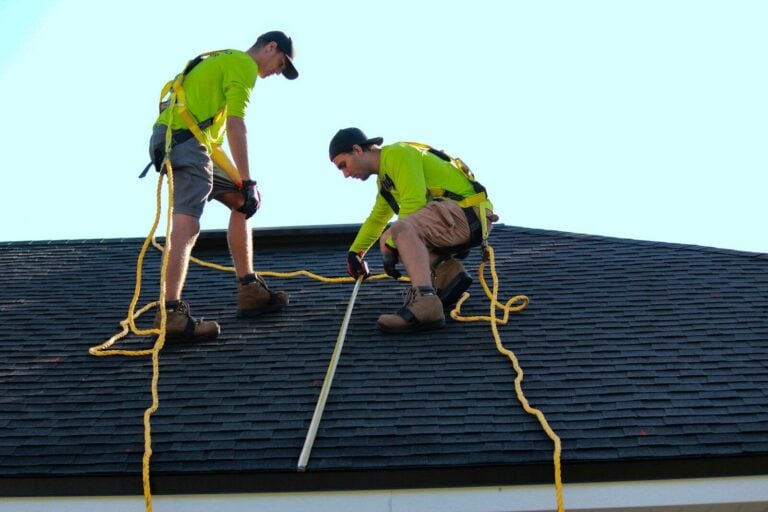
Rain, wind, heat, and humidity can wear down a roof without creating an obvious problem right away. Regular roofing care gives small defects a chance to be found before they expose decking, insulation, or interior finishes to moisture. Homeowners who keep up with inspections and timely repairs are better positioned to preserve the roof they already have while knowing when more extensive work may make sense.
Routine Inspections Catch Changes Before the Next Storm Does
Scheduled inspections can reveal lifted shingles, loose ridge caps, worn flashing, exposed fasteners, and cracked vent boots before those defects start letting water inside. Trained Huntsville roofers also look for less obvious changes, such as uneven granule loss or sealant pulling away from metal transitions.
Seasonal checks become especially useful after high winds or periods of heavy rain. Homeowners searching for roofing near me can use these visits to document how the roof is aging instead of waiting until an active leak forces a rushed decision.
Small Flashing Defects Deserve More Attention Than Their Size Suggests
Flashing protects the places where shingles meet chimneys, walls, skylights, valleys, and plumbing vents. Narrow gaps around those joints can admit surprising amounts of water because runoff often concentrates at roof transitions.
Careful Huntsville roof repair may involve resetting metal, replacing a damaged piece, or rebuilding the surrounding layers rather than simply adding sealant. A roof repair company that examines the full connection can often prevent the same seam from opening again after another round of temperature changes.
Keeping Valleys Clear Helps Water Leave the Roof Faster
Valleys carry runoff from two adjoining roof slopes, making them one of the busiest drainage areas during a storm. Leaves, pine needles, broken twigs, and loose roofing granules can settle into the channel and slow water enough for it to move sideways beneath shingles.
Regular removal of debris reduces that pressure while giving contractors a clearer view of the materials underneath. Skilled crews may also spot incorrect shingle cuts, worn valley lining, or exposed nails that need correction before drainage problems become leak problems.
Gutters Protect More Than the Edge of the Roof
Clogged gutters can allow water to rise behind the front edge or spill against fascia boards instead of flowing toward the downspouts. Repeated overflow may soak roof edges, weaken wood, and contribute to staining around soffits without producing an immediate indoor drip.
Proper maintenance includes checking gutter pitch, loose hangers, blocked outlets, and downspout discharge points. Anyone looking for roof repair near me should consider whether the roofing concern begins with the shingles themselves or with water that has nowhere else to go.
Attic Conditions Can Reveal Roofing Trouble From Below
Attics often show moisture evidence before finished rooms do. Darkened decking, rusty nail tips, compressed insulation, or localized stains can point toward a small leak that has not yet reached the ceiling.
Broad dampness may tell a different story because poor ventilation or indoor humidity can create condensation beneath an otherwise intact roof. An experienced roof company can compare attic evidence with exterior conditions and determine whether the solution involves roofing work, airflow correction, or another part of the home.
Loose Shingles Need Attention Even If They Settle Back Down
Strong winds can break the adhesive bond beneath a shingle while leaving the piece in place. Once that seal is gone, later gusts can lift the tab repeatedly, creating creases and increasing stress around the fasteners.
Early service may allow the affected area to be secured or replaced without disturbing healthy roofing nearby. Delayed attention gives wind and rain more chances to spread the problem, which can eventually turn a small repair into a larger Huntsville roof repair project.
Maintenance Helps Separate Normal Aging From Actual Failure
Roofing materials naturally change over time, but fading color or light granule shedding does not automatically mean a system has failed. Inspectors look for combinations of warning signs, including brittleness, widespread curling, repeated adhesion loss, cracked flashing, and moisture beneath the surface.
Accurate records make those comparisons easier from one inspection to the next. Photos and written notes can show whether a worn section remains stable, needs targeted repair, or has reached a point where roof replacement deserves consideration.
Repair and Replacement Should Be Based on the Roof’s Present Condition
Focused repairs often make sense when damage stays limited and the surrounding shingles, decking, and flashing remain dependable. Addressing one failed vent boot, several wind-damaged shingles, or a short flashing section can preserve useful service life without replacing sound materials.
Broader deterioration changes the calculation when recurring leaks, fragile shingles, soft decking, or several failing areas appear together. Neutral recommendations compare the likely lifespan and cost of repair with roof replacement rather than treating either option as the default.
Weather-Tight Roofing Depends on Several Components Working Together
Shingles are only the outer layer of a larger system that also includes underlayment, flashing, decking, fasteners, ventilation, gutters, and roof penetrations. Problems often begin where two of those components meet, which is why surface-only inspections can miss developing weaknesses.
Consistent maintenance gives a roof repair company the opportunity to evaluate those connections while they are still accessible and manageable. Fixing drainage, resecuring flashing, or replacing damaged materials early can help the whole assembly continue shedding water as designed.
A Local Roofing Relationship Can Make Routine Care Easier
Knowing who previously inspected or repaired the roof can simplify future decisions. Service records give contractors context about old leak locations, replaced materials, flashing work, storm damage, and sections that may need another look over time.
Fleming Roofing can help homeowners maintain a weather-tight roof through residential inspections, focused repairs, and replacement services when broader aging makes that option worth considering. Its team can review how the roof is handling moisture, drainage, wind exposure, and material wear so the recommended work reflects what the home actually needs.

0 Comments