

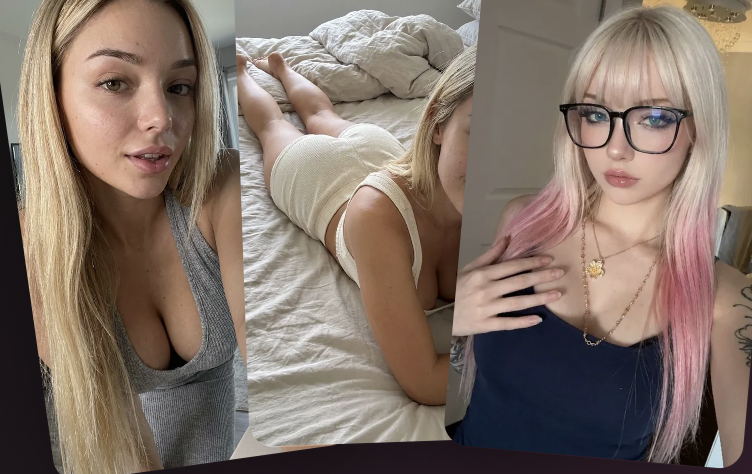
Every creator who has tried to build a series around an AI-generated character hits the same wall. The first image looks great. The second looks like a cousin. By the fifth, your lead has a different jawline, a new hairstyle and possibly a different personality, and your audience notices before you do.
That consistency problem is why a lot of creators have started treating AI companion platforms as development tools rather than chat toys. OurDream AI (ourdream.ai) is one of the more complete options. It is a browser-based platform where you design a character, talk to it, and generate images and short videos of that same character, all tied to one profile. It is adults-only and built for entertainment first, but the workflow maps neatly onto how a channel develops a recurring face, a mascot or a fictional host.
Here is how that works in practice, and where it stops being useful.
Why Do AI Characters Keep Changing Between Videos?
Most image and video generators start from scratch with every prompt. You can paste in the same description, but the model has no memory of who you meant last time, so features drift. That is fine for a one-off thumbnail and useless for a character people are supposed to recognise across twenty uploads.
OurDream approaches it differently. You build the character once: art style (realistic or anime), face, hair, build and wardrobe, then a separate personality layer covering traits, interests and how they talk. Every image or clip you generate afterwards is drawn from that saved character, so the face stays the face. It is not perfect, and busy scenes can still pull a character slightly off-model, but you are starting from a fixed reference instead of a blank prompt each time.
How Do You Know a Personality Works Before Episode One?
This is the part creators tend to underrate. A character is more than a look. Before committing to a series, you want to know how your host sounds when they are annoyed, excited or caught off guard.
Because OurDream is a chat platform at heart, you can simply talk to your character and find out. Throw it a question your audience would ask. Push it into an awkward situation. Ask it to explain your channel’s topic in its own words. Within an hour you will know whether the personality you wrote holds up or needs another pass. OurDream says its characters hold context past 100 messages, which matters here, since a running joke or backstory detail you set up early should still be there when you come back.
Group chats take it a step further. You can put two or three characters in one scene and see how they play off each other, which is a quick way to test a double act or a recurring cast before writing anything.
Can You Storyboard an Episode Without Drawing It?
OurDream has a comic studio, and for creators it doubles as a storyboarding tool. You pick up to three characters, plan out pages and panels, and describe each scene. The platform generates the artwork, letters the panels and assembles the pages. Any page can then be turned into a short animated clip.
For a channel, that is a rough animatic. You can pitch an idea to a collaborator, test the pacing of a sketch, or decide whether a story works visually before spending a weekend on it. Nobody has to see the comic. It is a thinking tool.
Where Do Thumbnails and Short Clips Come From?
Image generation runs on DreamCoins, a credit that comes with the paid plan: 1,000 a month on either the $19.99 monthly plan or the $9.99-a-month annual plan. Video draws from the same pool.
A small recent update is handy for thumbnail work. You can pause or scrub one of your own generated videos and save that exact frame as an image, with no coin charge. Anyone who has hunted through footage for the one frame where the expression lands will see the appeal. A clip with motion often produces a more natural still than a prompt for a static pose.
Every still and clip starts from the character profile, so the setup matters. OurDream’s walkthrough on how to create your own AI girlfriend shows the flow in a few short steps, from choosing a realistic or anime style to picking a voice and writing an opening scene, and the same process works for any recurring host or mascot.
Can You Audition a Narrator Without Booking a Voice Actor?
OurDream includes voice for its characters, and the community voices library lets you browse voices other users have shared, filtered by language, gender or accent. That is a premium feature. For creators, it is a quick way to audition what a character might sound like before deciding whether to record a human performance, hire a voice actor or use a dedicated text-to-speech tool for the final cut.
What Should You Keep Off Camera?
A few practical rules make this workflow safer for a channel.
First, OurDream is an adults-only platform with content well beyond what YouTube allows. Keep everything you publish within YouTube’s community guidelines and your own brand, and treat the platform as a private sketchbook rather than a source of finished footage.
Second, YouTube asks creators to disclose realistic altered or synthetic content, and a realistic AI character presented as a real person falls into that territory. Label it.
Third, never try to recreate a real person. OurDream bans deepfakes and lookalikes of real people, celebrities included, and it is a line you should hold anyway.
Finally, keep a human hand on the work. Generated characters are a starting point. The writing, editing and judgement that make a series worth watching are still yours.
Is It Worth Adding to Your Workflow?
If you only need the occasional image, a general-purpose generator will do. Where OurDream earns a place is when a character has to recur: the same face, the same voice, the same personality, across months of content. Being able to design that character once, test how they talk, storyboard an episode and pull consistent stills from one place removes a lot of friction from the development stage.
Start with one character, run them through a week of test conversations and a single comic page, and you will know quickly whether they are strong enough to carry a series.

0 Comments